What’s the best industrial cabinet cooler for your needs?
Summary
Key Highlights
In today's technologically advanced and interconnected industrial landscape, ensuring the optimal performance and longevity of sensitive electronic components is paramount. That's where industrial cabinet coolers come into play. The industrial equipment experts at Pelmar Engineering can help you understand more about what cabinet coolers are, how they function, their indispensable role in safeguarding industrial equipment, and the diverse types available. They can also offer expert advice on selecting the ideal cooler for your unique needs.
What Are Industrial Cabinet Coolers, and How Do They Work?
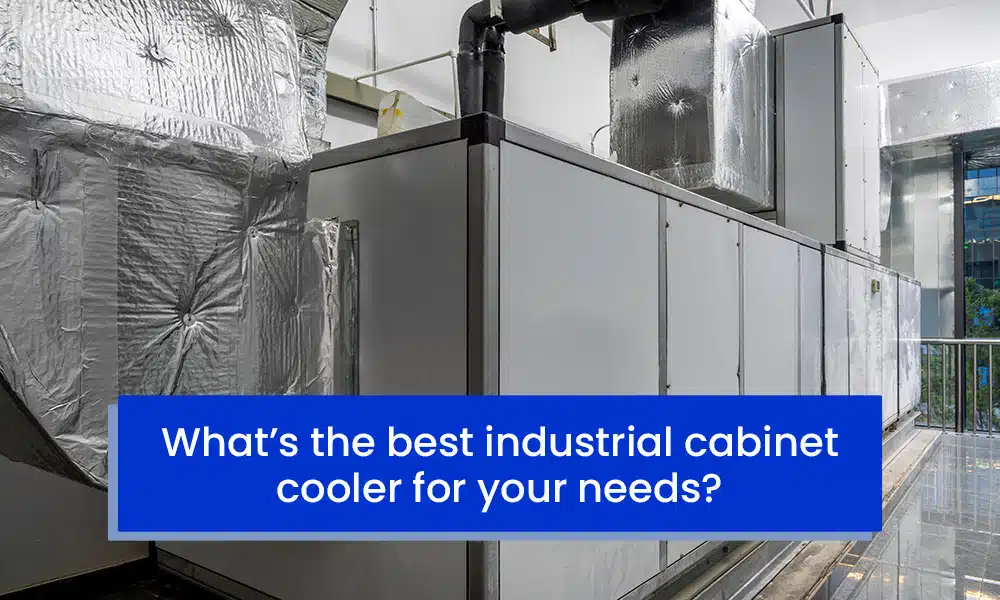
Industrial cabinet coolers are specialized cooling devices designed to maintain optimal temperatures within electrical enclosures and cabinets. They operate by utilizing either compressed air, cooling water, or electrical power, to cool the internal environment, effectively preventing overheating and safeguarding critical equipment.
Why Are Cabinet Coolers Critical for Industrial Equipment Protection?
Cabinet enclosure coolers are crucial for industrial equipment protection because they prevent overheating, which can lead to component failure, reduced lifespan, and increased maintenance costs. By maintaining a consistent temperature, they ensure the reliable operation of sensitive electronic components.
What Are the Different Types of Cabinet Coolers Available?
There are various types of cabinet coolers available, including vortex tube, air-to-air heat exchangers, and air conditioners. Each type has its advantages and suitability for specific applications, making it essential to choose the right one based on your specific cooling requirements.
How Do You Choose the Right Cabinet Cooler for Your Needs?
Choosing the right cabinet cooler involves considering factors like the enclosure size, heat load, ambient temperature, environment, and the type of contaminants present. Pelmar Engineering offers expert guidance to help you make an informed decision that suits your needs.
What Are the Benefits of Using Cabinet Coolers in Industrial Settings?
Using an enclosure cooler system in industrial settings offers numerous benefits, such as prolonging the life of electronic components, reducing downtime, improving efficiency, and maintaining product quality by preventing overheating-related issues.
What Maintenance Is Required for Industrial Cabinet Coolers?
Depends on the type of cooler. Vortex coolers and water-cooled heat exchangers do not require Maintenance. Air-cooled heat exchangers and air conditioners require regular filter replacement and cleaning. Pelmar Engineering provides maintenance guidelines and support to ensure optimal performance and longevity.
Can Cabinet Coolers Be Customized for Specific Applications?
Yes, industrial cabinet coolers can be customized for specific applications. Pelmar Engineering offers a huge product selection so you can find the system to meet your unique cooling requirements, including hazardous environments, or specific cooling capacities.
What Are the Common Challenges in Installing Cabinet Coolers?
Common challenges in installing cabinet coolers include ensuring proper placement, adequate venting, and securing them effectively. Pelmar Engineering's experts can assist in overcoming these challenges to ensure a seamless installation process.
How Do Environmental Factors Affect the Performance of Cabinet Coolers?
Environmental factors, such as temperature variations and humidity levels, can affect cabinet cooler performance. It's crucial to consider these factors when selecting and installing cabinet coolers to ensure they operate effectively and reliably, even in demanding conditions.
Industrial cabinet coolers are a cornerstone in the realm of industrial equipment protection. By harnessing the power of these cooling technologies, you not only ensure the longevity of your valuable equipment but also contribute to enhanced efficiency and productivity in your industrial operations. Contact the industrial experts at Pelmar Engineering for help on selecting the right cabinet cooler tailored to your specific requirements.
FAQs
What is the main difference between vortex tube coolers and air conditioner cabinet coolers?
How do environmental conditions affect cabinet cooler performance?
How often do industrial cabinet coolers require maintenance?
About the Author:A seasoned Mechanical Engineer specializing in hydraulics, Hanan Silbermann brings a deep technical background to fluid control and application engineering.
Following a successful 12-year tenure in Research & Design at Bermad Control Valves, he acquired Pelmar Engineering in 1993. As the head of application engineering at Pelmar, he leverages decades of industry experience to design and implement high-performance technical solutions.